How I Make a Preset Pack
Making sounds has been a big part of my life, I’ve always enjoyed exploring synthesizers and effects. Even before I knew what a synthesizer was, I would chain together effects pedals and create feedback loops to make wild sounds I had never heard before. Many of my first presets were all over the place, I’d save anything and everything, as every sound was new to me. Over time I started developing a process. This process took years of experimentation. In the early days, sound design with synthesizers is very mysterious, it’s hard to even know which direction to proceed in when learning. I would save any and every sound that seemed “new” to me, now I am much more picky with what I save and what directions I will follow when starting a new sound.
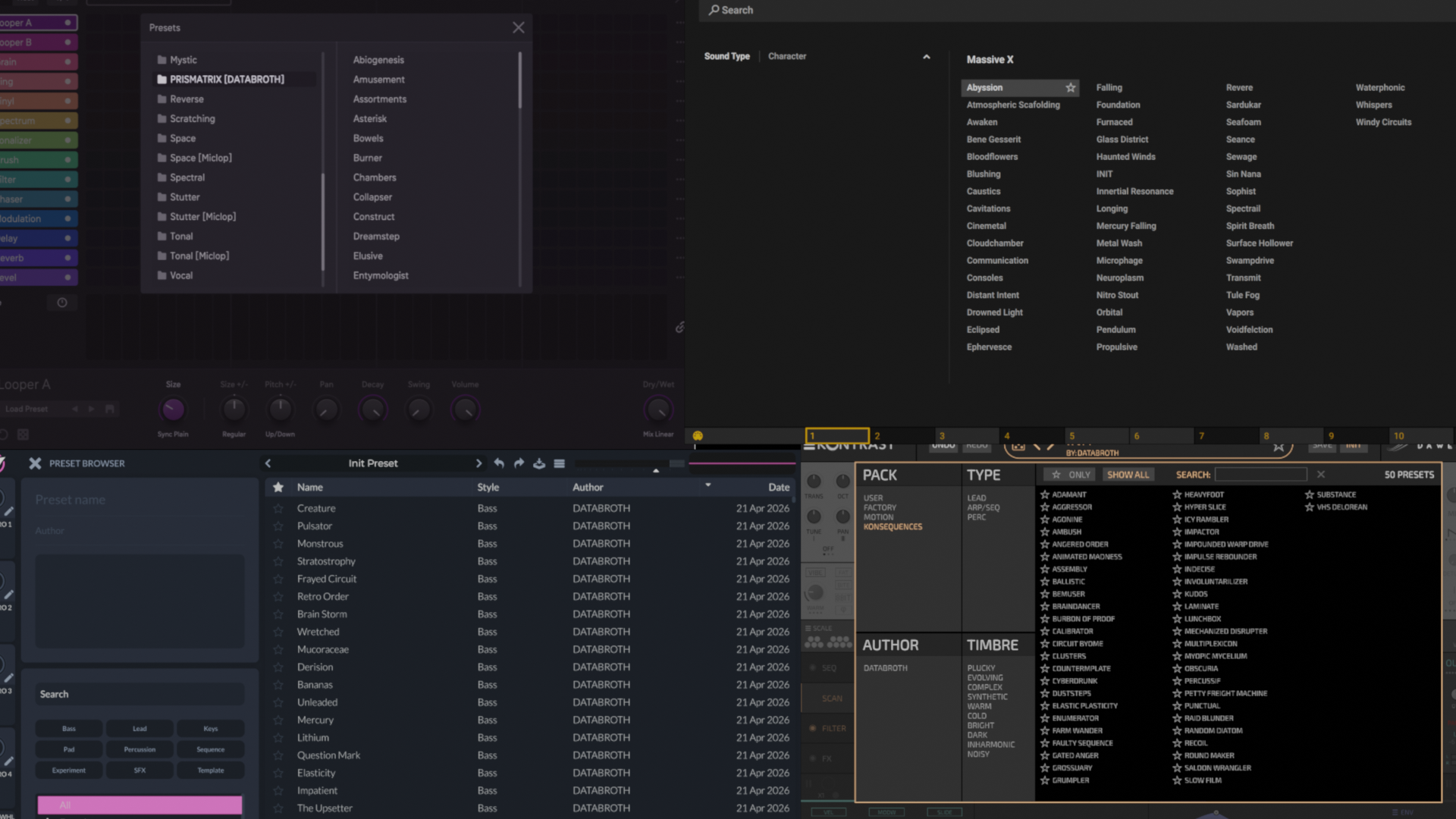
With each synth I go through a few stages. First I just explore, I no longer save presets durring this stage. Inevitably something cool gets lost to the aether, but this is simply a sacrifice to the deities of audio, I’ll be making dozens if not hundreds of sounds with this synth, I must be willing to let a few of them go.
This stage is fast, I’m not worried about polish or quality, I’m just trying things out. Test filter self oscillation, test modulation rates, comb filters, cross oscillator modulation, effects.
I’m going through various settings exploring potential sounds. I take mental note of what I find, this is where I come up with some starting patch ideas and find which methods and sounds the synth leans into.
Next I start making some patches, usually without direction, I’ll make some leads, basses, pads, keys, sound effects, anything. I’m saving patches but still not quite polishing and finalizing things. At this stage I’m deciding which category I want to make a pack for, usually one will stand out as a leader with the most available presets. I tend to experiment more with effects in this stage, and I’m starting to explore some of the advanced features. Often times some advanced features can speed up your workflow and open up unique possibilities that are difficult if not impossible in other synths.
After I find a direction for a pack, I set aside everything that wont work for that theme, and create a folder for the next pack. While it is fun to make various presets of many different sound types, I find sticking to one sound type for an extended period of time really lets you hone in on quality and opens up experimental ideas. You start to notice patterns and habits after making a couple dozen basses or pads in a row, and it encourages experimentation to keep things interesting.
Before I make too many more presets, I tend to prefer to go back and polish what I have set for the theme, and come up with a system and template. This is where I start mapping macros, setup velocity and expression, start tags and naming as well as making sure the author is set correctly. This sort of stuff just becomes too tedious at the end of a project where more refinement is needed anyways.
After I have a template and system ready, I start making preset after preset for the pack. This is the slowest part of the project, even though I have a template, I’m still exploring as well as polishing things up as I go. I likely spend an hour on average per preset, I’m not sure if this includes everything that gets tossed along the way. I’ll maybe make a couple a day, with free days dedicated to just making presets all day. There’s a lot of back tracking in this stage as well, as I make more presets I go back through to see if they fit, if any stand out in quality or need to be removed and I’m listening for sonic variety that may be missing.
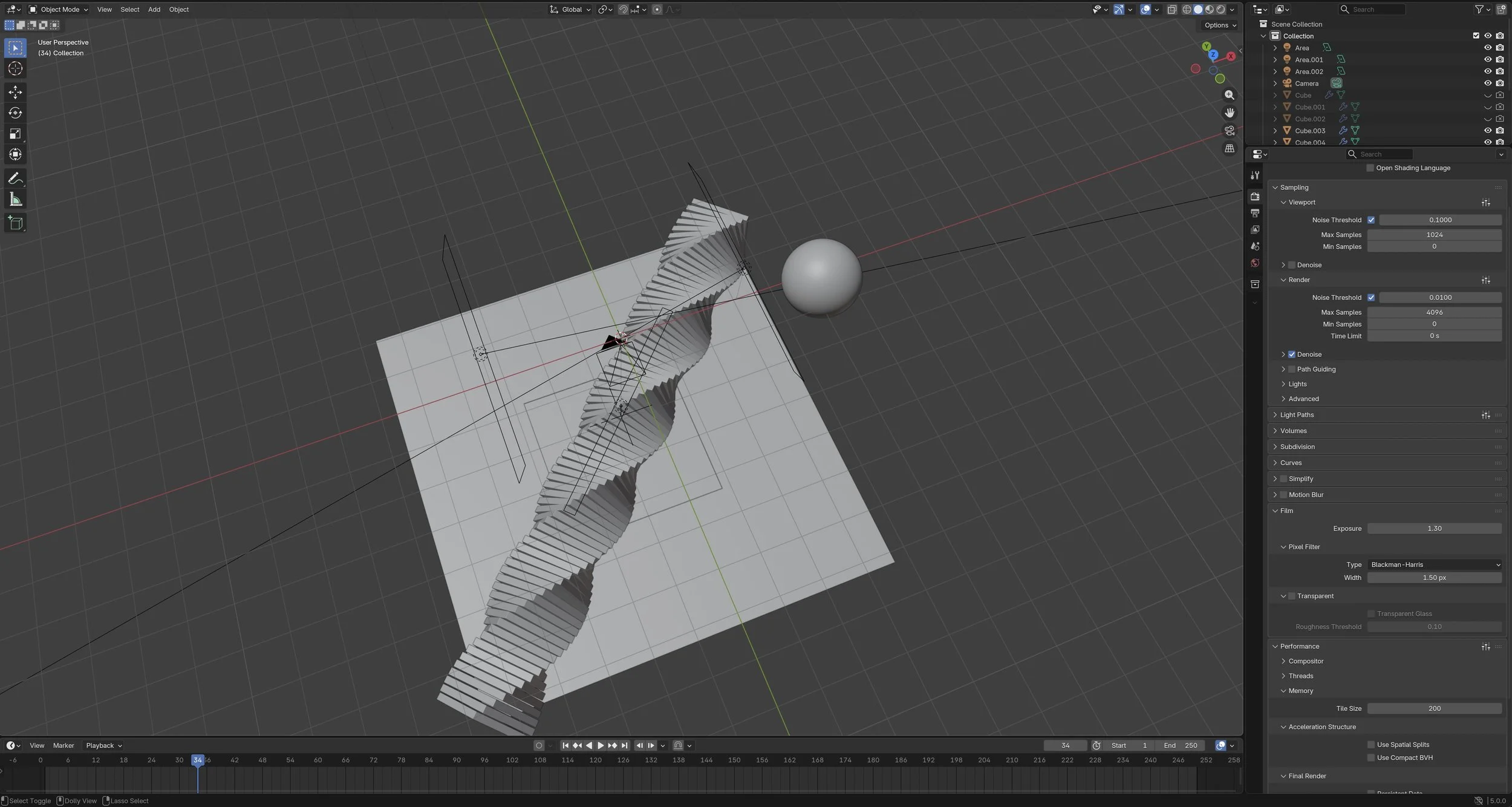
The final stage is going back through and checking everything for quality and consistency. I’ll do a final polishing pass, making sure levels are close to equal, everything is in tune, and I’m not missing macros/tags and other features. I usually make about 10-20% too many presets, so in this stage I’ll cut my least favorite presets or any that are too redundant. At this point I start working on the cover art, which I am proud to say I am doing on my own again, either with photography or blender. Then I start working on the demo videos, where I usually end up making a couple more finishing touches.
The rest is just tedious stuff like creating product pages, uploading, writing out the installation paths and trying to colorfully describe my pack and all that “marketting” nonsense. I know this is a pretty broad overview, I want to go into more detail over how I create a single preset, how I learn and explore a new synth in the future. Also there’s a lot of non-work involved in this work, I listen to music, I listen to sound tracks and sound design in movies and games, I think about different patch ideas as I go for a walk.
All of this subtly guides me and helps me come up with new ideas. The sound of traffic, or a buzzing power line, or the hum of an energy box, or the chirping and songs of birds, they can all lead to various preset ideas. It’s always important to take in inspiration and apreciate the world around you and you never know where the next idea can come from.